
Palantir is having a moment. The Peter Thiel–co-founded data analysis firm just previewed its so-called Artificial Intelligence Platform, or AIP, and the market reacted accordingly: shares jumped as much as 21% early Tuesday. That’s not nothing for a company that’s been around for two decades and has always had a somewhat controversial profile thanks to its government and military contracts.
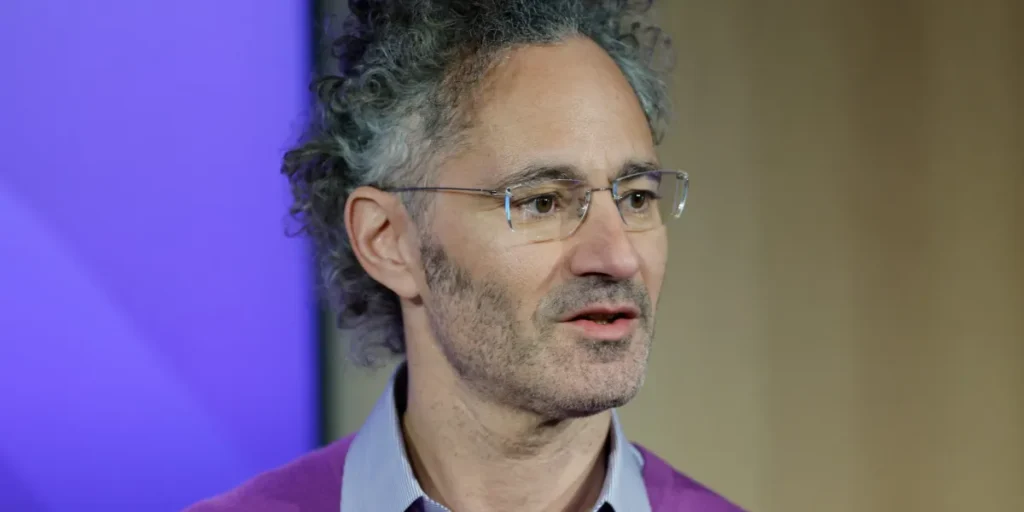
CEO Alex Karp doesn’t mince words about the demand. He told analysts on a call Monday that interest in AIP is “nothing I’ve ever seen in 20 years of being involved in Palantir.” He’s reorganizing engineering teams and other resources aggressively to capitalize on it. That’s the kind of language that gets investors excited, but it also raises questions about what exactly this platform does and who it’s for.
AIP is essentially a wrapper around large language models — the same kind of tech that powers ChatGPT — but tailored for military use. A demo video shows it analyzing intel on enemy targets, flagging potentially hostile situations, proposing battle plans, and even sending those plans to commanding officers for approval. The company is careful to emphasize that the platform is “safe and secure,” letting clients control what data the models see and what actions they can take on behalf of humans.
Karp’s own framing is blunt: “If you wheel these technologies correctly, safely, and securely, you have a weapon that will allow you to win, that will scare your competitors and adversaries.” That’s a very Palantir way of putting it — pragmatic, unapologetic, and a little unsettling if you’re not in the defense business.
But AIP isn’t just for the battlefield. Another demo shows a manufacturing company using it to prepare for a hurricane — analyzing distribution center operations, deciding whether to accelerate or cancel orders, and forecasting revenue impact. One insurance client got early access and called it “years ahead” of anything else they’d seen. Within days, they’d built a collaborative AI agent to automate claims processing. That’s the kind of speed that makes you wonder why enterprise software still takes months to deploy.
Pricing and terms are still being worked out, according to Karp, though he mentioned conversations with “hundreds” of potential partners. That’s a lot of interest for a product that isn’t even fully priced yet. Palantir is planning to share more details at a June 1 event in Palo Alto.
I’ll be watching to see how this plays out. The military AI space is crowded — companies like Anduril and Shield AI are already deep in it — and Palantir’s track record with government contracts is solid but not without friction. The civilian applications are interesting, but the real money is clearly in defense. And if Karp is right about the scale of demand, Palantir might finally get the growth story it’s been chasing for years.
One thing’s for sure: the “unprecedented” line isn’t just hype. When a CEO who’s been around for 20 years says he’s never seen anything like it, you pay attention.
Comments (0)
Login Log in to comment.
Be the first to comment!