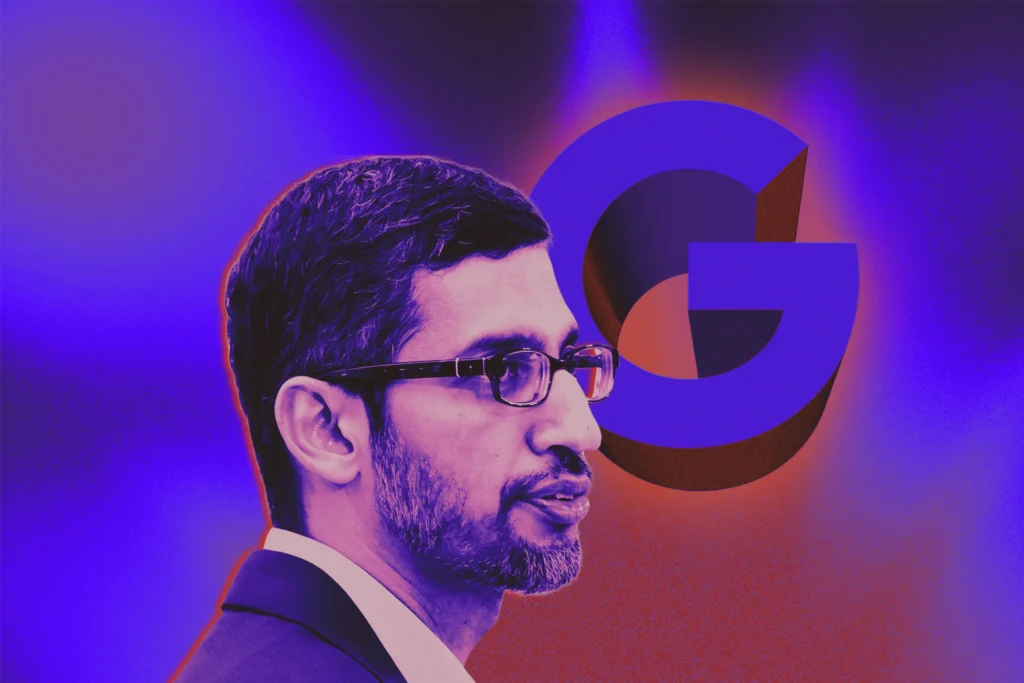

So much for “Don’t be evil.”
According to a report from The Information, Google has signed a classified agreement with the US Department of Defense that lets the military use its AI models for “any lawful government purpose.” The timing is particularly awkward: this was reported less than 24 hours after Google employees publicly demanded that CEO Sundar Pichai block the Pentagon from using the company’s AI, citing fears it would be used in “inhumane or extremely harmful ways.”
If this deal is real, Google joins a club that already includes OpenAI and xAI, both of which have similar classified agreements with the US government. Anthropic was also in that group, until the Pentagon blacklisted them for refusing to remove certain safety restrictions. That’s a pretty clear signal about what kind of flexibility the DoD expects from its AI partners.

I’ve been watching this space for a while, and the pattern is depressingly familiar. Every major AI lab starts with idealistic mission statements about safety and ethics. Then the government comes calling with a big check and a vague promise of “lawful use.” Suddenly, those ethical lines get blurry.
What does “any lawful government purpose” actually mean in practice? The US military has lawyers who can argue that almost anything is lawful if they want it badly enough. Drone strikes, targeting decisions, interrogation analysis — there’s a lot of ground between “lawful” and “ethical.”
Google’s internal culture has always been more activist than most tech companies. Remember the Project Maven controversy back in 2018? Thousands of employees signed a petition demanding Google stop helping the Pentagon analyze drone footage. Google eventually let that contract expire, but it looks like they’ve found a way back in through a different door.
The classified nature of this deal makes it even harder for employees — or the public — to hold the company accountable. When everything is secret, “lawful use” becomes whatever the Pentagon says it is.
What I find interesting is the competitive angle here. OpenAI and xAI already have their foot in the door. Google can’t afford to be left out of what is shaping up to be a multi-billion dollar government AI market. The Pentagon doesn’t just want access to models; they want influence over how those models are trained and deployed.
This also puts Google in an awkward position with its own AI safety teams. DeepMind has been vocal about responsible AI development, and Google’s own AI Principles explicitly rule out “weapons or other technologies whose principal purpose or implementation is to cause or directly facilitate injury to people.” A classified deal with the Pentagon seems to dance right up to that line.
The Verge notes that the deal is “classified,” which means we likely won’t see the full terms. But the fact that it exists at all tells you everything about where the industry is headed. The era of AI companies pretending they’re above military contracts is over.
I don’t expect this to blow over quietly. Google employees have proven they’re willing to organize and protest. And the broader public is starting to pay attention to how their data and technology gets weaponized. This story is far from finished.
Comments (0)
Login Log in to comment.
Be the first to comment!