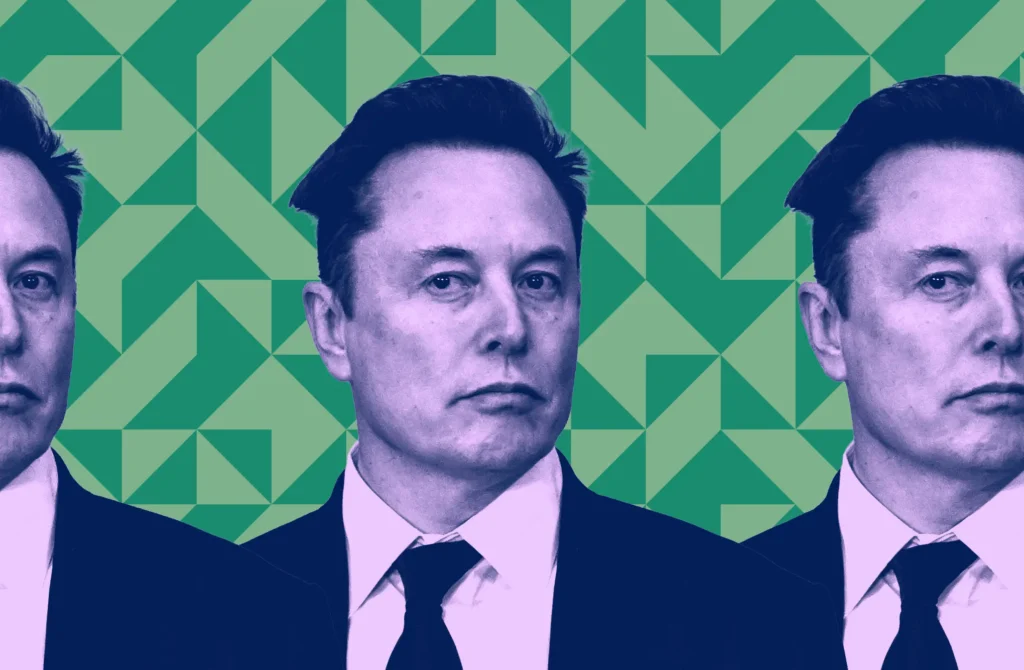

Elon Musk took the stand this week in the trial against Sam Altman, and he went straight for the myth.
He opened with his origin story. South Africa. Canada with “$2,500 in Canadian travelers’ checks and a bag of clothes and books.” Zip2. PayPal. The whole familiar arc. He spent an unusually long time walking the jury through it, as if reminding them—and maybe himself—that he didn’t start out as the richest man on Earth.
But this isn’t a biopic. It’s a courtroom. And Musk’s stated reason for dragging everyone through his biography was simple: he wants to save humanity.
That’s the framing he’s betting on. Not shareholder value. Not competitive advantage. Not even the usual “we need to be careful with AI” talking points. Just a straight-up savior narrative. Look at what I’ve built. Look at where I came from. Trust me.
It’s a bold move, because the man on the other side of the courtroom, Sam Altman, also has a pretty compelling story about building something for humanity’s benefit. OpenAI was founded as a nonprofit, after all. The difference is that Altman’s version of “saving humanity” involves a for-profit structure and billions in investment from Microsoft. Musk’s version? He hasn’t been entirely clear on the mechanics, but he’s very clear on who should be in charge.
I’ve watched enough of these tech-founder courtroom dramas to know that juries don’t always buy the messiah routine. But Musk has something most defendants don’t: a track record that actually looks like he’s been trying to push humanity forward, even if the execution has been messy. Tesla. SpaceX. Neuralink. The Boring Company. Whether you love or hate him, the guy has a pattern of betting big on things that sound insane and then making them work.
The problem is that this trial isn’t about electric cars or Mars colonies. It’s about whether Musk’s claims against Altman and OpenAI have legal merit. And no amount of origin-story theater changes the core question: did OpenAI breach its founding agreement when it shifted from nonprofit to capped-profit? Did Altman personally deceive Musk?
Musk is banking on the idea that if the jury sees him as the reluctant hero—the guy who just wants to keep AI from going rogue—they’ll overlook the legal complexities. It might work. Juries are human, and humans love a good story.
But the other side has a story too. Altman’s team will point out that Musk left OpenAI’s board in 2018, that he’s now running his own AI company (xAI), and that this lawsuit looks a lot like a competitor trying to slow down a rival. The “save humanity” pitch gets a lot harder to swallow when you’re simultaneously building a competing product.
I’ll be watching how this plays out. Musk is a compelling witness when he’s on his game—charismatic, quick, genuinely interesting to listen to. But he’s also unpredictable, and a cross-examination from a skilled lawyer can make that unpredictability look like evasion.
For now, the jury got the origin story. Whether they buy the ending is another question.
Comments (0)
Login Log in to comment.
Be the first to comment!