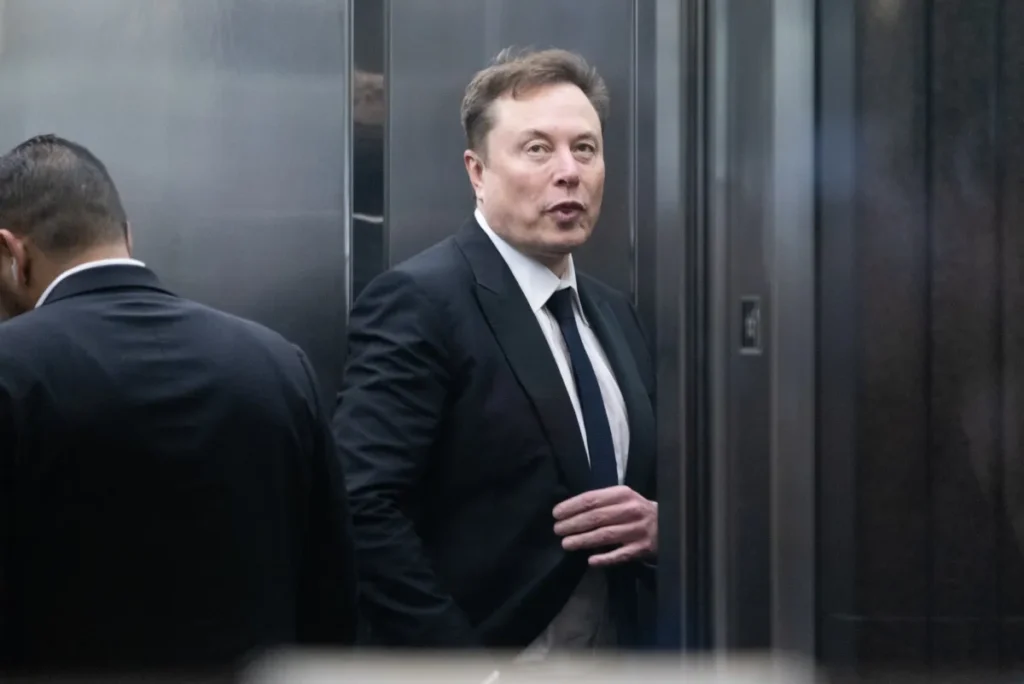

Elon Musk just dropped a bombshell in court. Under oath, he confirmed that xAI used OpenAI’s models to train Grok — specifically through a process called distillation.
Let me translate that from legal-speak to something we can actually talk about.
Distillation is basically taking a big, powerful model (like GPT-4) and using its outputs to train a smaller, cheaper model to mimic it. It’s been a gray-area practice in AI for a while. Every small team with limited compute has tried it or thought about it. But when a company backed by Musk does it to a company he’s currently suing? That’s next-level irony.
Here’s the context: Musk is in an ongoing legal battle with OpenAI, claiming they abandoned their original nonprofit mission. Meanwhile, his own startup xAI is building Grok, which he positions as a more “truth-seeking” alternative to ChatGPT. But now we know Grok’s training data included outputs from the very models Musk is publicly criticizing.
This is higher than I expected. Not because distillation is rare — it’s actually super common. But because Musk has been so vocal about OpenAI’s closed approach. The guy literally co-founded OpenAI, left, and then spent years taking shots at them. Finding out his own model was trained on their work is a bad look.
Now, let’s be fair. Distillation isn’t illegal, and it doesn’t necessarily mean xAI copied anything proprietary. OpenAI’s API terms have always been vague about using outputs for training other models. But the optics are terrible. It feeds the narrative that Musk’s crusade against OpenAI is more about ego than principles.
What’s interesting here is that distillation is a hot topic across the industry right now. Frontier labs like OpenAI, Google DeepMind, and Anthropic are all trying to prevent smaller competitors from distilling their models. They’ve added technical barriers, updated terms of service, and even threatened legal action against companies caught doing it. But enforcement is nearly impossible. Once a model’s outputs are out in the wild, you can’t really stop someone from learning from them.
This case could set a precedent. If the court decides that distillation from publicly accessible APIs is fair use, it opens the door for more aggressive model copying. If it rules against xAI, we might see tighter restrictions on how model outputs can be used — which would hurt smaller players the most.
Musk’s testimony also reveals something about xAI’s development timeline. Grok launched relatively quickly compared to other frontier models. Now we know why. Distillation lets you shortcut a lot of the expensive pre-training and alignment work. You’re basically standing on the shoulders of giants — or in this case, on the shoulders of the company you’re suing.
I’ve been doing this long enough to know that most AI companies have used some form of distillation at some point. It’s an open secret. But having the CEO admit it under oath is rare. Usually, companies dance around the question. Musk just said it directly.
What does this mean for Grok users? Probably nothing in the short term. The model works fine, and distillation doesn’t make it inherently worse. But it does raise questions about xAI’s claims of independence and innovation. If Grok’s core capabilities are borrowed from OpenAI, how much credit does xAI really deserve?
And for the broader industry, this is a reminder that the AI race isn’t as clean as the press releases make it sound. Everyone is borrowing from everyone else. The line between inspiration and copying is blurrier than most people realize.
Musk might win this legal battle or lose it. But the damage to his credibility is already done. You can’t spend years accusing OpenAI of being closed and secretive, then admit your own model was trained on their work. That’s not a strategy — that’s a contradiction.
Comments (0)
Login Log in to comment.
Be the first to comment!