
Apple’s Q2 earnings landed, and the usual suspects — iPhone and Services — got the headlines. But the Mac quietly stole the show, pulling in $8.4 billion against Wall Street’s low-$8 billion expectations. That’s a 6% year-over-year bump in a segment investors had written off as flat.
Tim Cook, during the earnings call, was refreshingly candid. He said demand for the new MacBook Neo was “off the charts,” and Apple set a record for first-time Mac buyers. But the real surprise? The surge wasn’t just about a shiny new laptop. It was about AI.
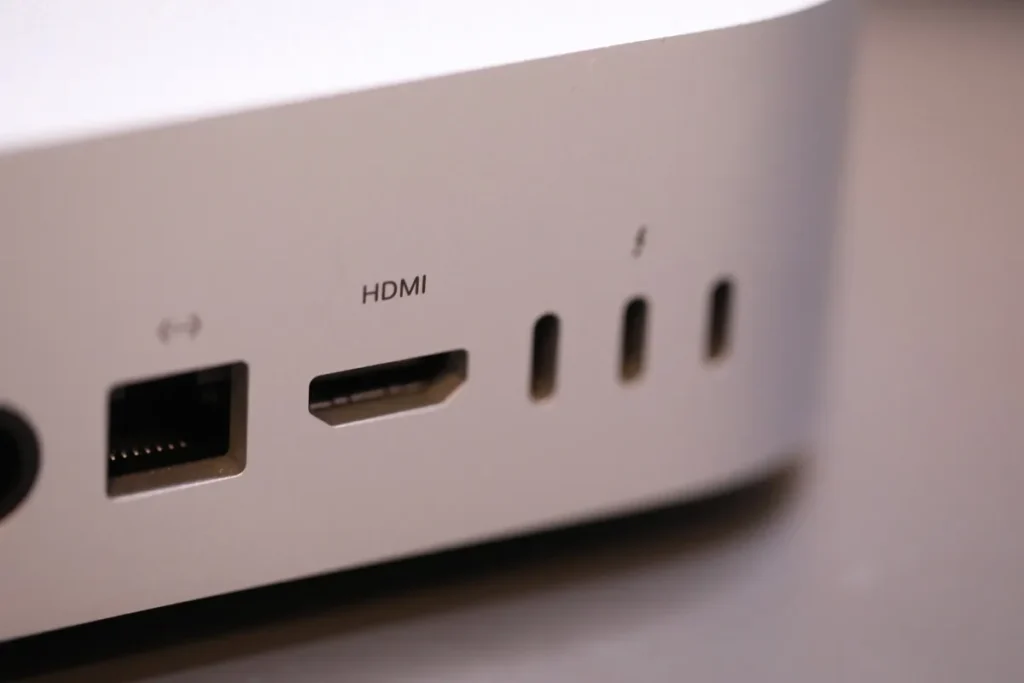
Cook specifically called out the Mac mini and Mac Studio selling out as developers and power users snapped them up for running local AI models — things like OpenClaw and agentic tools. “The customer recognition of that is happening faster than what we had predicted,” he said. Translation: Apple didn’t see this coming.
It makes sense when you think about it. Running AI locally means you don’t have to pay per token or worry about latency. The Mac mini, in particular, has become the top-selling desktop in China, a market currently in an OpenClaw frenzy. That’s not an accident.
Still, the numbers tell a tempered story. Mac revenue was flat quarter-over-quarter, suggesting this is still early days. Cook admitted it could take “several months” to balance supply and demand on the constrained models. “We just under-called the demand,” he said, which is about as honest as you’ll get from a CEO.
Enterprise interest is also picking up. Apple name-dropped Perplexity as a company that’s standardized on Mac for building enterprise AI assistants. And in education, Kansas City Public Schools is reportedly dumping Chromebooks for the Neo. That’s a shift worth watching.
The Neo itself only shipped in mid-to-late March, so some of that demand probably bled into April. But the underlying trend is clear: Apple’s silicon — whether M4 or whatever’s in the Studio — is becoming a legitimate AI workstation. And Apple seems genuinely surprised by how fast that’s happening.
I’ve been saying for a while that the local AI compute angle is underrated. Cloud inference is fine for chat, but for real work — fine-tuning, agent loops, running models you don’t want to share — you need local hardware. Apple’s unified memory architecture gives it a real edge here. The question is whether they can keep up with demand before competitors catch on.
For now, Apple’s sitting on a nice problem: too many people want their computers for AI work, and they can’t make them fast enough. It’s a good position to be in, but they’d better ramp up production before the hype cycle peaks.
Comments (0)
Login Log in to comment.
Be the first to comment!