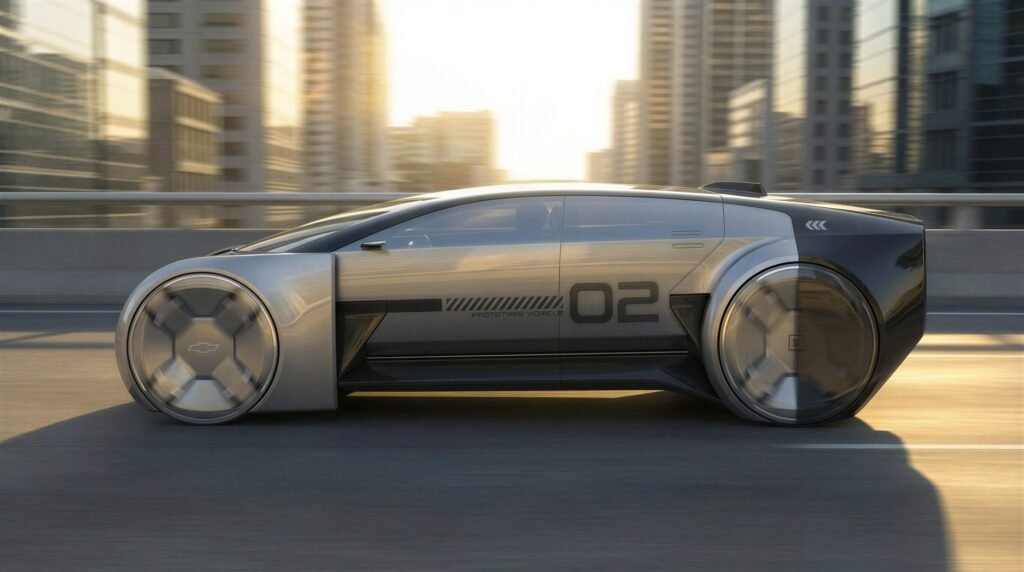

The auto design world has been living in the future for a while. There are VR sculpting platforms, real-time 3D visualization tools, and all sorts of fancy software that should make the process of designing a car feel like something out of a sci-fi movie. But in practice, most new cars still start their lives as a sketch on paper.
Those sketches go through endless rounds of iteration and refinement—from every angle, in every lighting condition—before someone painstakingly turns them into 3D models by hand. Some of those models never make it past the digital stage. Others get carved into clay so designers can walk around them, squint at the lines, and decide the beltline needs to be a millimeter higher. That’s just the beginning of a process that can easily stretch five years or more.
Think about what that means in real terms. The new cars hitting dealerships this summer? They were first sketched in 2020 or 2021, back when the conversation around alternative fuel incentives looked very different. The design decisions that shape what you drive today were made before the pandemic even really settled in.
That timeline has always felt absurd to me. We’re supposed to believe that an industry that can engineer a 500-mile EV can’t speed up the sketching phase? It’s not that nobody tried. But the tools available were never quite good enough to replace the human judgment that goes into a good design.
Until now.
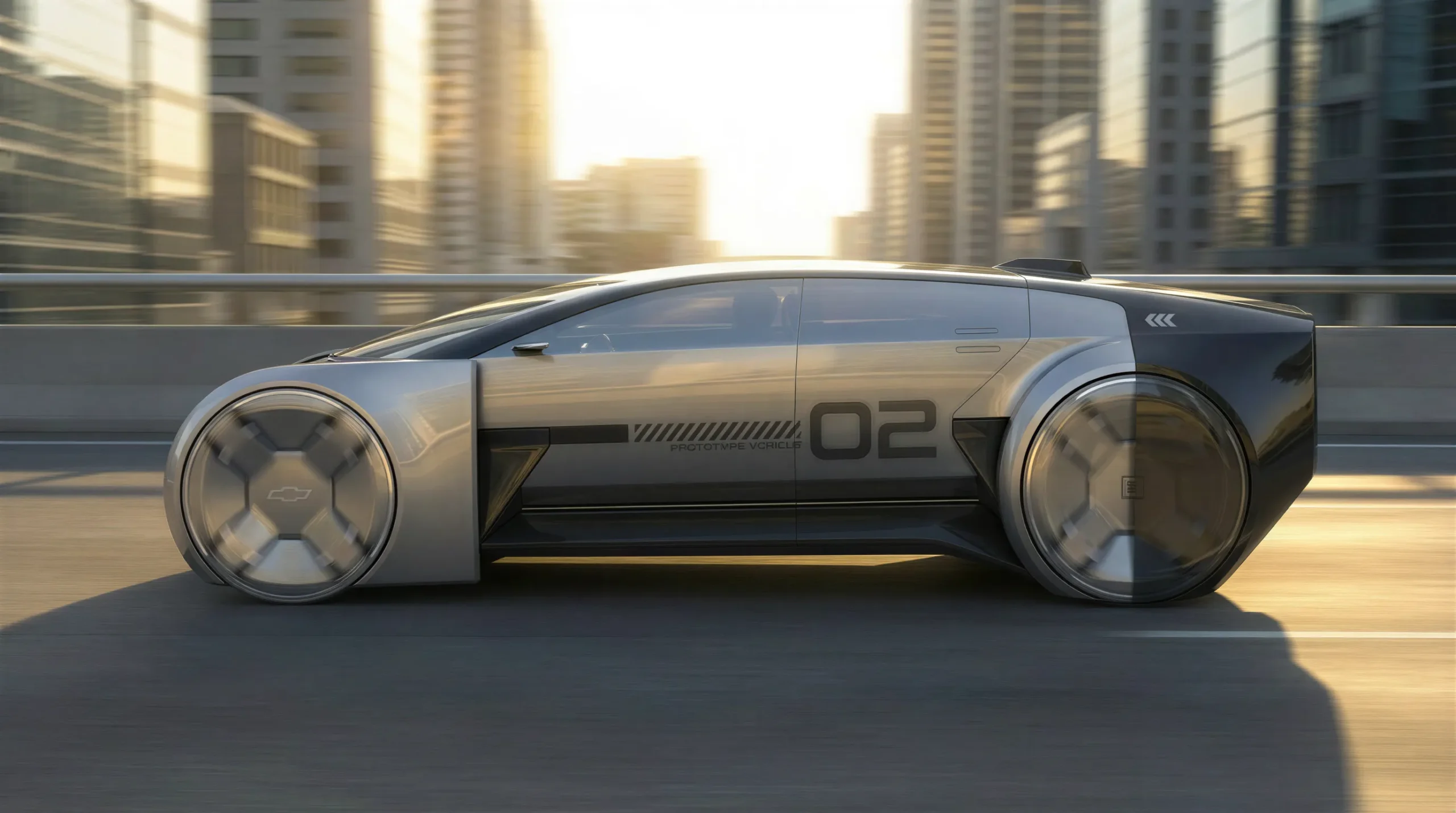
What’s changed is generative AI trained specifically on automotive design data. Instead of a designer spending a week iterating on a front fascia, they can feed a prompt into a model and get back dozens of variations in minutes. The AI doesn’t just spit out random shapes—it understands proportion, surface language, and even manufacturing constraints if you train it right.
I’ve seen some of these outputs, and honestly, they’re better than most junior designers’ work. Not because the AI has taste, but because it has seen thousands of successful designs and can interpolate between them in ways that are genuinely novel. The best results still need a human to refine them, but the time from concept to clay is collapsing.
Some manufacturers are already using these tools in production pipelines. The models aren’t just for show—they’re influencing the actual cars that will hit the road in the next couple of years. That’s a huge deal. It means the 2028 model you buy might have started as an AI suggestion that a designer liked enough to run with.
There are downsides, of course. The biggest one is that AI tends to converge on safe, familiar forms unless you actively push it toward weirdness. If every manufacturer uses the same training data, we could end up with a sea of homogenous designs that all feel vaguely similar. That’s already a problem in the industry, and AI could make it worse.
But the potential is real. Faster iteration means more experimentation. More experimentation means more chances to stumble onto something genuinely new. And if AI can shave a year or two off the development cycle, that’s good for everyone—except maybe the clay sculptors.
Comments (0)
Login Log in to comment.
Be the first to comment!