
Nuclear energy is having a moment. Tech companies are throwing money at it to power their data centers, politicians across the spectrum are on board, and next-generation reactors are actually getting regulatory approvals. It feels like a renaissance.
But here’s the thing nobody in that hype cycle wants to talk about: we still have no idea what to do with the waste.
The US alone produces about 2,000 metric tons of high-level nuclear waste every year. And I mean every single year. That stuff is sitting in pools and concrete casks at reactor sites, which experts say is safe enough for now but was never meant to be permanent. Some of that waste has been sitting there for decades.
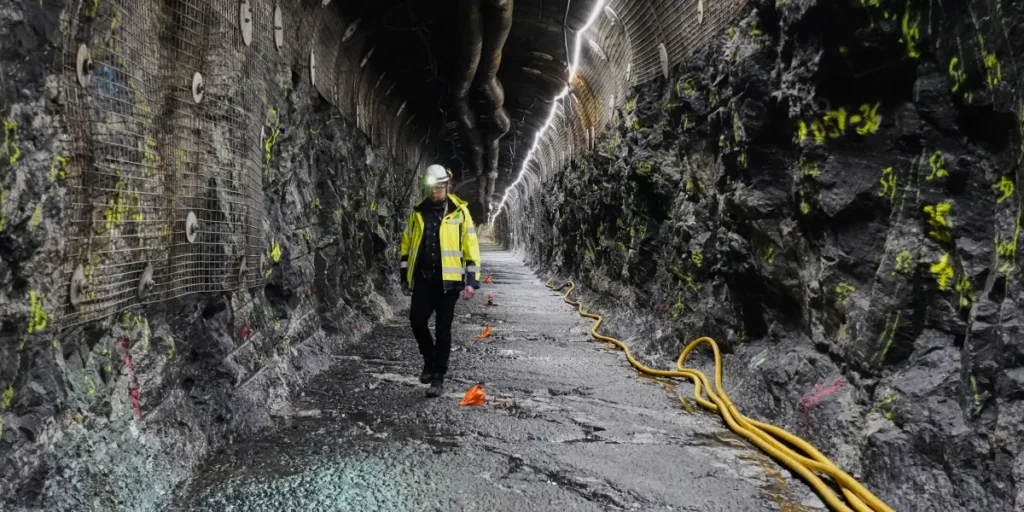
Finland is showing the rest of us how it’s done. They started planning in the 1980s, picked a site in the early 2000s, and as of 2026 they’re testing their deep geological repository. Final approvals are expected soon, and they could start accepting waste later this year. That’s what a real commitment to solving a problem looks like.
France isn’t far behind. They already reprocess spent fuel into MOX fuel, which sounds like a neat recycling loop, but it’s not perfect — there are still leftovers that need a permanent home. They’re aiming for pilot operations at a repository by 2035.
Meanwhile, the US has Yucca Mountain, which was designated by Congress back in 1987. That’s almost 40 years ago. The federal government stopped funding it in 2011, and it’s been dead in the water ever since. Political opposition killed it, and nobody has stepped up with a viable alternative.
This is higher than I expected, honestly. I knew the waste problem existed, but 2,000 metric tons per year with no endgame is a lot of material to just park at reactor sites indefinitely.
And here’s where it gets worse. China is building reactors faster than anyone. Bangladesh and Turkey are building their first ones. The US is approving new designs with different coolants and fuels. All of that new capacity means new waste, potentially with different characteristics that existing storage methods weren’t designed for.
Some experts are calling for a new organization in the US to handle nuclear waste, separate from the Department of Energy. That approach worked for Finland, Canada, and France. It makes sense — the DOE has a lot on its plate, and this problem keeps getting shuffled to the bottom of the pile.
The tech companies that are fueling this nuclear resurgence should be pushing for progress on waste storage. They have the money, the political clout, and a direct interest in keeping nuclear viable. Directing even a fraction of the funding they’re throwing at reactor development toward waste solutions could make a real difference.
Finland started planning in the 1980s. They’re almost ready now. That’s a 40-year timeline. If the US started today, we’d be looking at 2060 or later before a repository is operational. The best time to start was decades ago. The second-best time is now, and that window isn’t going to stay open forever.
This article is from The Spark, MIT Technology Review’s weekly climate newsletter.
Comments (0)
Login Log in to comment.
Be the first to comment!