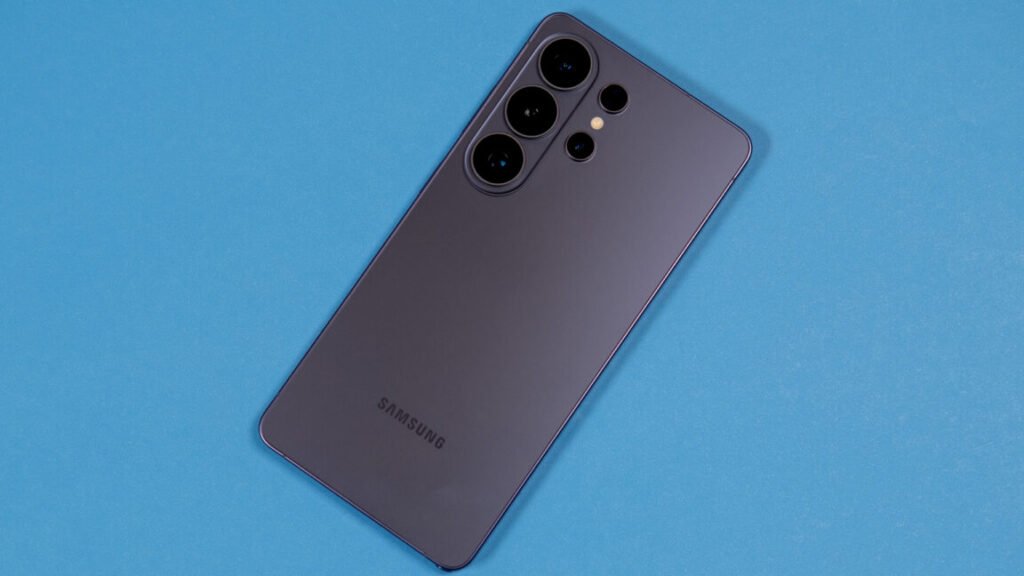

Selling smartphones used to be a license to print money. Everyone wanted one, every new model was a meaningful upgrade, and the margins were fat. Those days are long gone. The market is mature, most people hold onto their phones for three or four years, and a bunch of manufacturers have already tapped out.
But Samsung has stuck around, and they’ve been profitable through it all — recessions, supply chain meltdowns, even the pandemic. That streak might end in 2026.
According to a report from Money Today (Korean), Samsung MX head TM Roh warned company leadership that the mobile division could post its first net loss on smartphones. Ever. Not just a bad quarter, but a genuine loss. And the culprit isn’t weak sales — the Galaxy S26 line is apparently doing fine. It’s the cost of the components inside.
DRAM and NAND prices have gone completely berserk. Shortages are hitting everything from consumer laptops to enterprise servers, and phones are right in the crossfire. The LPDDR5x memory that goes into flagship devices is the same stuff that AI infrastructure is hoovering up by the terabyte.
To put it in perspective: Nvidia’s upcoming Vera AI CPU will support up to 1.5 TB of LPDDR5x per chip. A single rack-scale platform with 36 Vera CPUs and 72 Rubin GPUs will chew through enough RAM for 4,600 Galaxy S26 Ultra units (assuming 12GB each). That’s one server eating the memory allocation of a small city’s worth of premium phones.
When hyperscalers are willing to pay absurd premiums for every stick of high-bandwidth memory they can get, phone makers end up fighting for scraps at inflated prices. Samsung is in the awkward position of being both a memory manufacturer and a phone manufacturer, but the two divisions don’t always align. The memory business loves the AI boom. The mobile business is getting crushed by it.
It’s a strange situation. Samsung has navigated economic downturns, component shortages during COVID, and the slow decline of the overall smartphone market without ever losing money on phones. Now, in a year when AI is supposedly driving innovation everywhere, it might be the thing that finally breaks them.
I don’t think this is a death knell for Samsung’s phone business by any means. But it’s a stark reminder that the AI gold rush has real costs, and not everyone benefits equally. If Samsung can’t figure out how to secure memory at reasonable prices — or pass those costs to consumers without tanking demand — we might see the first unprofitable year in the company’s smartphone history. That’s a headline I never expected to write.
Comments (0)
Login Log in to comment.
Be the first to comment!