
The first 24 hours of the US assault on Iran saw more than 1,000 targets hit — nearly double the scale of the “shock and awe” campaign against Iraq back in 2003. That kind of acceleration doesn’t happen by accident. It’s powered by AI systems that have fundamentally changed how the military picks its targets.
The star of the show is the Maven Smart System.
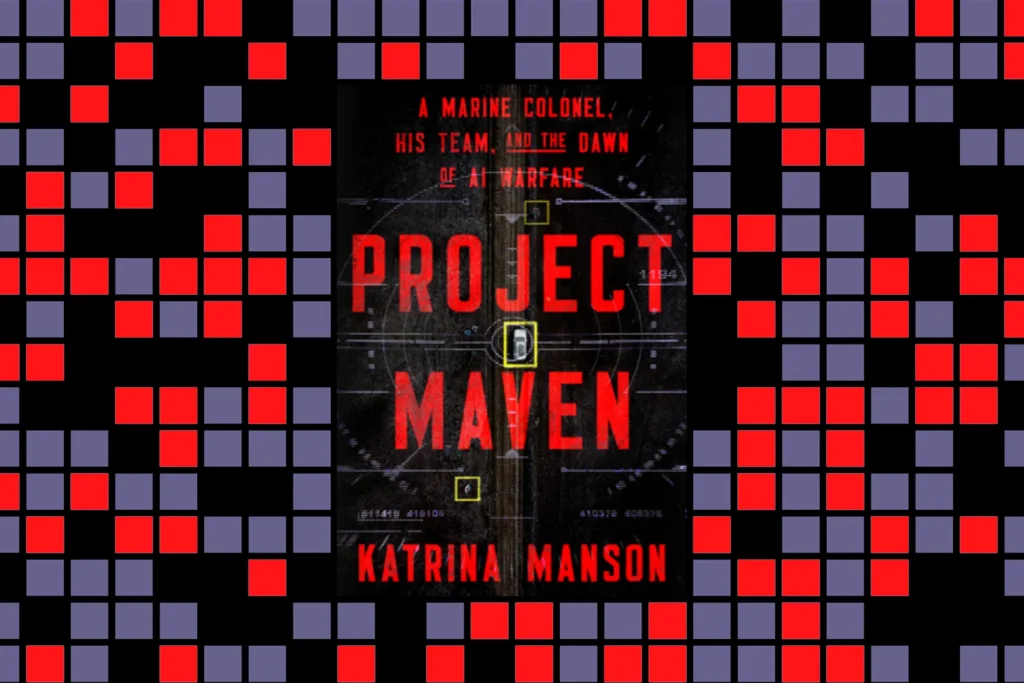
Journalist Katrina Manson has a new book out, Project Maven: A Marine Colonel, His Team, and the Dawn of AI Warfare, that traces this project from its 2017 beginnings as a scrappy experiment using computer vision to analyze drone footage. It’s a story that kicked off with employee protests at Google — the military’s first contractor on the project — and ended up reshaping how the Pentagon thinks about speed and precision.
I’ve been following military AI for a while, and what strikes me about Maven is how it sidestepped the usual bureaucratic slog. A Marine colonel and a small team essentially built a prototype that worked well enough to convince leadership. That’s rare in any large organization, let alone the Department of Defense.
The protests at Google were real and loud — hundreds of employees signed a petition demanding the company drop the contract. Google eventually did walk away, but by then the damage was done. The technology had proven itself, and the military had tasted what AI could do for targeting. There was no putting that genie back in the bottle.
What Manson’s book apparently captures well is the human side of this shift. Not just the algorithms and kill chains, but the people who pushed this through an institution that normally moves at a glacial pace. The colonel in the subtitle isn’t a figurehead — he and his team navigated internal resistance, technical hurdles, and ethical concerns to get Maven operational.
And operational it is. The Iran campaign numbers speak for themselves. Whether you think that’s progress or a nightmare depends on your perspective, but the military’s embrace of AI is no longer theoretical. It’s happening right now, at a scale that would have been unthinkable a decade ago.
I haven’t read the book yet, but the story it tells is one we should all pay attention to. AI warfare isn’t coming — it’s already here, and Maven is its poster child.
Comments (0)
Login Log in to comment.
Be the first to comment!